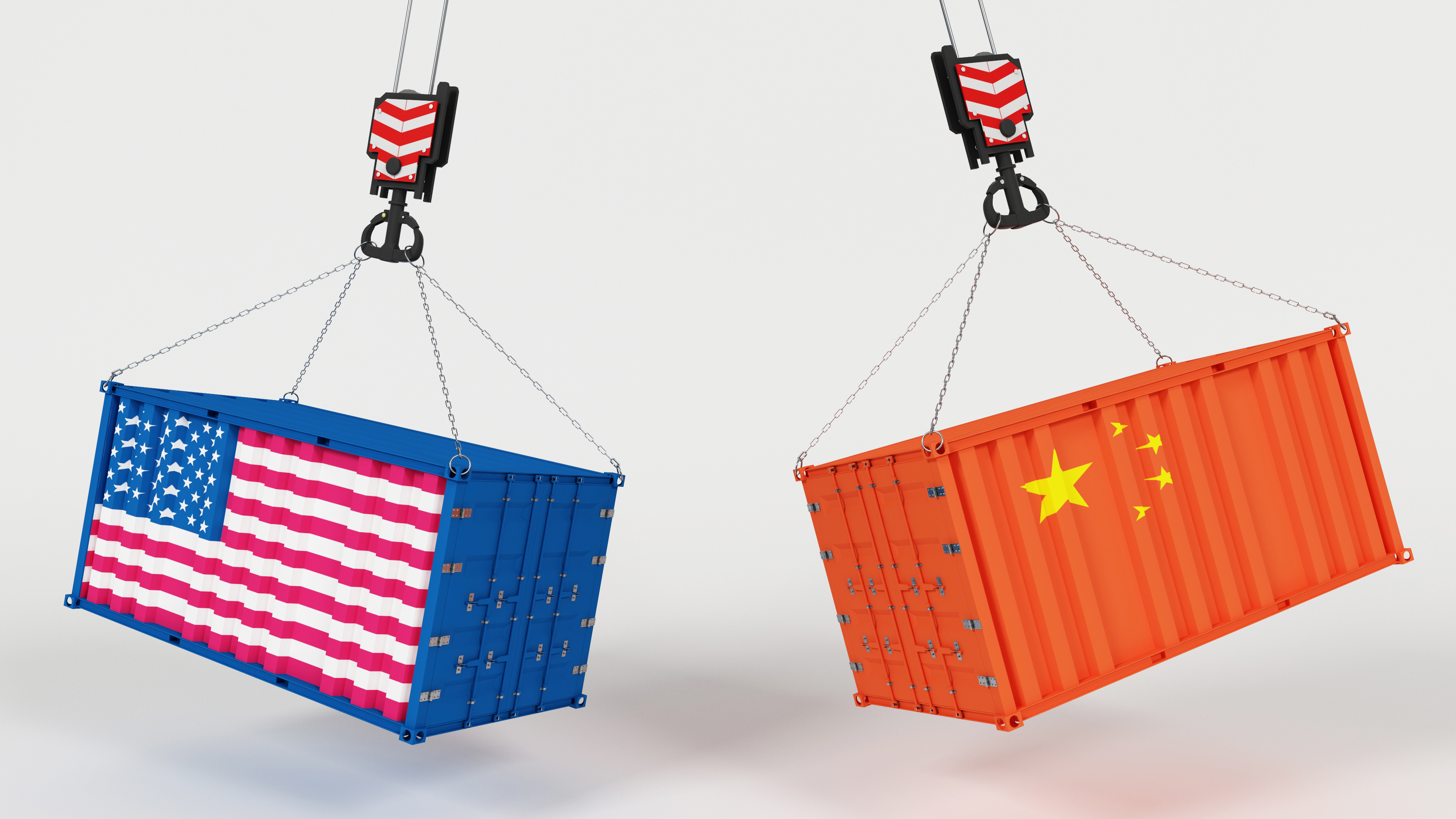
You’ve likely heard about the growing trade tensions between the U.S. and China. Tariffs are reshaping global commerce. Yet, Yiwu city, a bustling wholesale center, continues to prosper despite U.S. tariff policies. How does Yiwu navigate these economic hurdles? Dive into the tactics and strengths that keep Yiwu market vibrant during Trump’s tariff campaign.
1. Introduction to Yiwu's Resilience
Yiwu’s capacity to endure trade disruptions comes from its flexibility and robust trade framework. As tariffs alter global markets, you’ll notice Yiwu’s merchants adapting swiftly. This section explores the roots of Yiwu’s enduring vitality.
1) Historical Context of Yiwu’s Trade Dominance
Yiwu’s trade history began in the 1980s. It grew from a modest market town into a global trade leader. Over the years, you’d see Yiwu leverage China’s manufacturing surge. It built a vast network of suppliers and buyers, and has become an vital international trade hub. This historical foundation equips Yiwu to tackle modern trade challenges. Tariffs are no exception.
2) Structure of Yiwu International Trade City
Yiwu International Trade City has made Yiwu glorious reputation. It covers over 6.4 million square meters and has about 75,000 shops. From toys to jewelry, everything is available at affordable prices. This makes Yiwu a prime destination for global buyers. You can explore its orderly showrooms. Each focuses on specific product categories, like kitchenware or festive decor. This organized layout simplifies sourcing. It lets you connect with China suppliers efficiently, even with tariffs in play.
Recently, it is the peak season for customers to visit China. In addition to old customers, we have also received many new customers and helped them purchase from China. Welcome to consult us!
2. Impact of Trump's Tariff Policies
Tariffs have transformed trade patterns. Yiwu stands at the heart of these shifts. Grasping the scope of U.S. tariffs and China’s responses shows why Yiwu remains pivotal. This section examines the tariff landscape affecting your sourcing choices.
1) Overview of U.S. Tariff Escalations
Since 2018, U.S. tariffs on Chinese goods have grown steeper. By 2025, rates reach 145%. These duties target products like electronics and clothing. They raise your costs as a buyer. Trump’s policies aim to lessen U.S. dependence on Chinese imports. However, they also increase prices for American shoppers.
2) China’s Retaliatory Measures
China has responded with tariffs up to 125% on U.S. goods. These affect items like soybeans and medicines. You’ll observe Beijing’s approach. It diversifies trade partners. It also strengthens domestic markets. These steps help Yiwu’s exporters lessen U.S. tariff impacts. They explore new markets instead.
3. Yiwu’s Strategic Adaptations to Tariffs
Yiwu’s suppliers don’t merely survive tariffs. They adapt cleverly. You can draw inspiration from their creative methods to sustain profitability and market reach. This section outlines how Yiwu counters tariff pressures.
1) Diversification of Export Markets
Yiwu’s traders now target emerging regions. These include Africa, Latin America, and ASEAN nations. In 2024, 18% of Yiwu’s trade went to Africa. Another 17% went to Latin America. The U.S. share dropped to 14%.
And more and more factories are turning to other markets and expanding new channels. They are starting to produce styles that meet the preferences of new regions, such as South America and the Middle East. Overcapacity has also, to a certain extent, prompted factories to increase product innovation. This means that buyers in other markets can get a wider range of choices.
2) Cost Management and Competitive Pricing
Yiwu suppliers operate with slim profit margins. They manage costs innovatively. You’ll see them share tariff costs with buyers. They also streamline production to keep prices low. For instance, some absorb minor tariff hikes. This keeps products affordable for you.
3) Leveraging Digital Platforms
Online marketplaces like Temu and Shein are crucial for Yiwu’s exporters. These platforms let you source directly from Yiwu. They help bypass some tariff-related expenses. By adopting e-commerce, Yiwu’s traders reach global customers effectively. This helps them navigate trade barriers.
Recently, many suppliers have gone to the Canton Fair, the world's largest trade fair. Through this channel, they have met new customers from more regions and expanded their sales channels. Our company also participates in the Canton Fair every year to display many new products. If you would like to visit our booth, please contact us!
4. Economic and Structural Advantages
Yiwu’s strength isn’t just in adaptation. It rests on inherent advantages. You’ll discover how its economic and structural strengths form a solid base against tariff challenges.
1) Robust Supply Chain Efficiency
Yiwu’s supply chain operates smoothly. It links factories, warehouses, and global shipping networks. You gain from quick delivery times and dependable logistics. This holds true even during trade disruptions. Such efficiency keeps Yiwu a leading sourcing hub.
2) Support from Local Government Policies
Yiwu’s local policies strengthen its trade ecosystem. You’ll find benefits like tax incentives and simplified export procedures. These aid merchants significantly. The government’s Belt and Road initiatives also create new trade pathways. This reduces U.S. tariff impacts on your sourcing.
5. Challenges and Future Outlook
Yiwu prospers, but it faces obstacles. You should balance these challenges with opportunities for informed sourcing decisions. This section looks at what’s ahead.
1) Potential Risks of Prolonged Trade Tensions
Ongoing tariffs could unsettle global markets. Yiwu’s smaller suppliers might struggle. You could face higher prices or supply chain delays. This might happen if other nations adopt similar tariffs. Keeping up with trade policies helps you plan wisely.
2) Opportunities for Continued Growth
Despite hurdles, Yiwu’s shift to developing markets offers promise. Digital platforms also fuel growth. You can tap into rising demand in places like the Middle East and Central Asia. Yiwu’s flexibility ensures it remains a dependable sourcing spot.
Sellers Union: A Trusted China Sourcing Partner
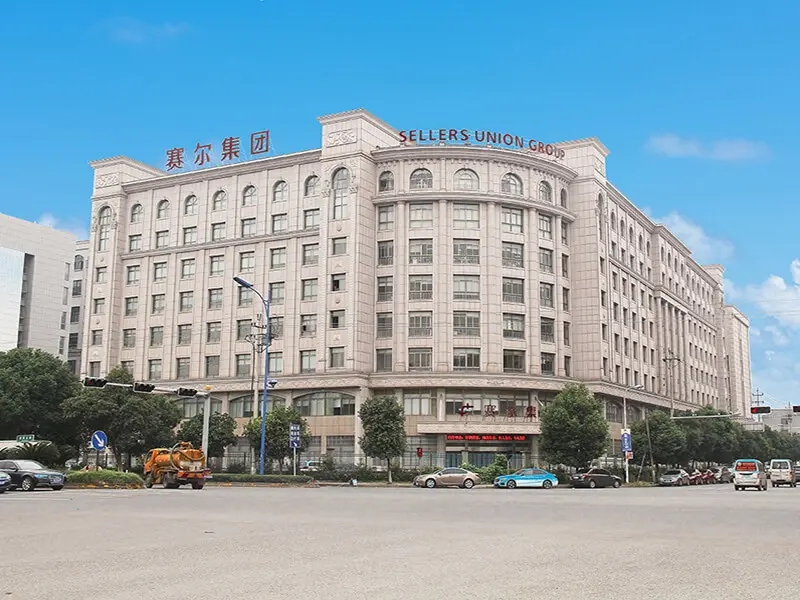
Yiwu’s vast market can feel overwhelming. Sellers Union makes sourcing straightforward. As an experienced Yiwu sourcing agent, they provide customized solutions. Their expertise covers supplier selection, quality assurance, and logistics, etc. Sellers Union helps you import efficiently and negotiate favorable terms, even with tariff challenges. Their deep knowledge of China’s trade environment ensures competitive products. They also minimize risks. Partner with Sellers Union to enhance your sourcing experience.
Advantages of Sellers Union in dealing with trade barriers:
1.The cooperative factories are moved to other more advantageous places in China, such as Hebei, Henan, Shandong, etc., which not only have low-priced factories, but also can provide additional packaging and secondary processing services.
2.They have offices in Vietnam, so you can purchase from Vietnamese factories to produce more distinctive products.
Post time: Apr-25-2025