Looking to source slippers from China but unsure where to find the right suppliers? With tens of thousands of suppliers, China has several specialized slipper manufacturing hubs producing EVA, cotton, slippers and more as well as a variety of sports slippers. The slipper manufacturing industry is highly regionalized, however, and each production hub is specialized in specific products with different types of suppliers and different production capacities. This is why choosing the right production hub and supplier is difficult for importers. Important factors when buying slippers from China include the quality of the products, the packing, the shipping, the total cost of purchase, import regulations and more.
In this guide we introduce you to four of the main slipper production hubs in China as well as 12 top slipper manufacturers from China. We also present you with the most important things you should consider when you are importing slippers from China. It will help international buyers better understand China's slipper supply chain, identify suitable suppliers, and reduce sourcing risks.
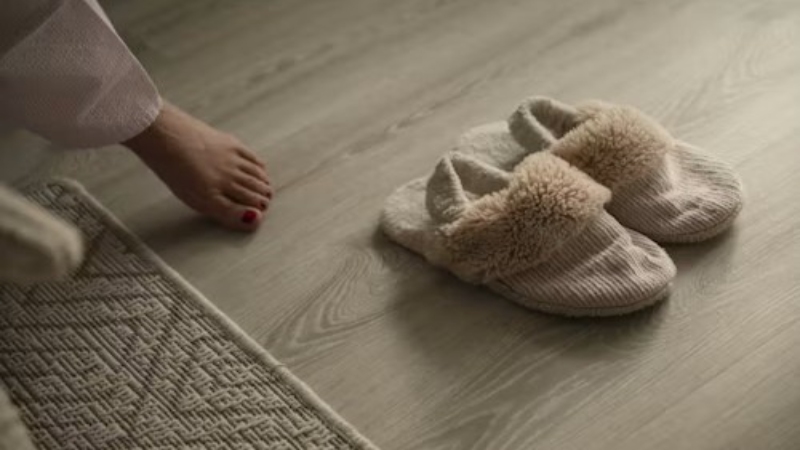
1. Four China Slipper Production Bases: Choosing the Right Sourcing Location
| Production base | Main products | Core advantages | Suitable buyers |
|
Jinjiang Neikeng, Fujian |
Athletic slides, men's sandals, flat slippers, house slippers, EVA slippers |
Deep footwear ecosystem and strong product specialization |
Sports distributors, volume buyers, repeat programs |
|
Cixi Xiaolin/Qiaotou, Zhejiang |
Cotton slippers, house slippers, autumn/winter slippers, and plush slippers |
Home slipper focus and seasonal textile styles, strong emphasis on design |
Home goods importers, retailers, hotels, and seasonal buyers |
|
Wuchuan, Guangdong |
Plastic slippers, molded sandals, children's, basic styles, children's slippers, boys' sandals, platform slippers |
Large everyday plastic footwear supply network |
Value retailers and high-volume importers |
|
Jieyang, Guangdong |
Plastic and EVA fashion shoes, slippers, sandals, platform slippers, flat slippers |
Broad molded-product selection and price flexibility |
Distributors, discount channels and mixed-size buyers |
1.1 Fujian Jinjiang Neikeng: Core Slipper Production Base
Neikeng is an ideal sourcing hub for sports slides, men’s sandals, flat slippers, indoor slippers, EVA slippers, and fashionable slippers, etc. The area has more than 600 slipper manufacturers, with an annual production output exceeding 1 billion pairs. The surrounding footwear ecosystem supports development conversations around soles, uppers, colors, and seasonal collections. They are also placing increasing emphasis on comfort, functionality, and product design. Particularly suitable for medium and large-scale importers, supermarket chains, footwear brands, homeware brands, and buyers seeking customized products.
1.2 Cixi Xiaolin/Qiaotou, Zhejiang: Home Cotton Slipper Base
Cixi has developed a complete slipper supply chain from raw materials and design to manufacturing. In particular, Xiaolin and Qiaotou areas has more than 800 China slipper manufacturers, producing mainly cotton slippers, home slippers, autumn and winter slippers, and plush slippers. The region concentrates on design, comfort, and brand. Suitable for home goods importers, supermarkets, retailers, hotel supply buyers, and seasonal autumn/winter procurement. When sourcing terry cloth, linen, plush, and other seasonal indoor slippers, buyers should focus on the following parameters: fabric composition, stitching, slip resistance, lining materials, shrinkage, and packaging volume. Products of this type are very seasonal; therefore, producers’ production schedules as well as delivery time should be confirmed in advance.
1.3 Wuchuan, Guangdong: Plastic Slipper Production Base
Over 800 plastic footwear factories and businesses from Wuchuan City produce over one-third of plastic footwear produced in China. The main products are EVA slippers, PVC air-blown footwear, rubber-plastic slippers, leather-upper slippers, clogs, and plastic sandals. Various colors and outsole patterns are available for the majority of the above-mentioned products, also in different sizes. This production hub is very suitable for mass-market retail, for promotional actions, and for big-volume buyers who are open to using the existing molds or to simple modifications.
1.4 Jieyang, Guangdong: Plastic Fashion Shoe Base
Jieyang City has over 3,000 footwear-related businesses and merchants. They produce EVA and PVC slippers, fashion footwear, sandals, casual shoes, and handmade footwear. Most of the manufacturers have strong R&D capabilities and pay a lot of attention to design and functionality. This production hub is very suitable for footwear brands, fashion retailers, retail chains, medium- and large-size importers, OEM/ODM buyers, and others who are looking for different kinds of products. When sourcing from Jieyang, buyers should pay attention to density, rebound, surface finish, strap attachment, etc., and compare the above-mentioned parameters on samples.
A specialist Yiwu sourcing agent can compare a textile slipper supplier in Zhejiang with an EVA or plastic supplier in southern China, then coordinate samples and shipment planning around the same buying brief. Contact us today to discuss your project requirements.
2. Best 12 China Slipper Manufacturers
(1) Nantong Benzhou Home Products Co., Ltd.
Factory Area: 12,000 m²
Started: 2012
Main Products: fabric slippers, fluffy slippers, home cotton shoes
This Chinese slipper manufacturer mainly produces all-season slippers, cotton and linen slippers, cotton slippers, Japanese-style soft-soled shoes, postpartum slippers, etc. Buyers should focus on fabric handfeel, lining recovery, sewing quality, size grading, and how the packed pairs resist compression during transit. This profile is suited to home retailers and seasonal cotton-slipper programs.
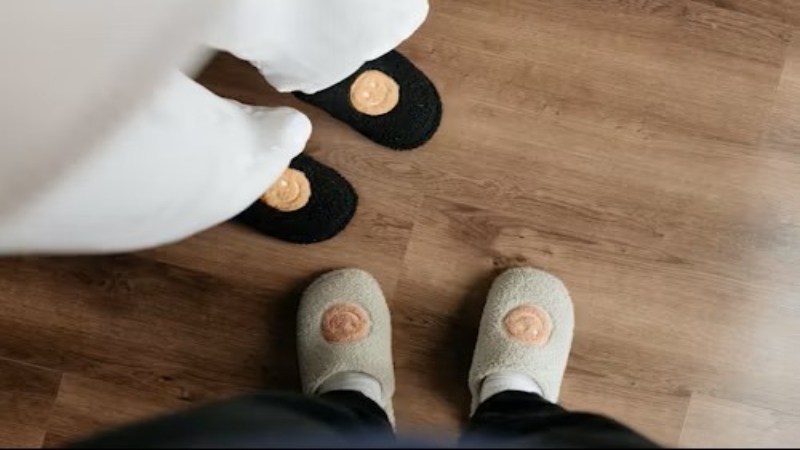
(2) Jinjiang Luluan Shoes & Garments Co., Ltd.
Factory Area: 17,683 m²
Started: 2006
Main Products: men's flip-flops, men's sandals, flat slippers
This slippers manufacturer is a fit for men's casual and open footwear ranges. Sample review should cover strap comfort, outsole flex, toe-post finishing, size consistency, and carton assortment. Buyers building a men's summer line can use the listed product mix as a starting point.
(3) Jinjiang Liyou Shoes Co., Ltd.
Factory Area: 15,000 m²
Started: 2009
Main Products: home cotton shoes, EVA slippers, men's beach shoes, and clogs
This manufacturer based in Jinjin, China, primarily produces mid-to-high-end EVA slippers, garden clogs, and sandals. The company currently has more than 400 employees and produces more than 10 million pairs of shoes annually. Please verify whether the supplier can maintain consistent material standards across the entire product range, particularly regarding odor, resilience, seam quality, and water resistance.
(4) Jieyang Yongxin Plastics Co., Ltd.
Factory Area: 18,000 m²
Started: 2007
Main Products: EVA slippers, thick-soled slippers, flat slippers
This factory primarily supplies plastic slippers, crystal slippers, EVA slippers, sandals, children's footwear, and women's footwear, with products exported to regions including South America, the Middle East, Southeast Asia, and Africa. Buyers should focus their evaluation on material density, sole thickness, flexural resilience, edge finishing, and color quality. For thick-soled models, additional testing regarding stability and bond strength is required before a large-scale market launch.
(5) Wuchuan Qixing Home Products Co., Ltd.
Factory Area: 10,000 m²
Started: 1995
Main Products: children's slippers, men's sandals, thick-soled slippers
The factory’s product range covers casual footwear for both children and adults. Buyers should separate size and safety requirements by age group, then check small parts, sharp edges, strap attachment, odor, and sole grip. The range may suit value retailers with both family and seasonal lines.
(6) Jieyang Yuanbao Shoes Co., Ltd.
Factory Area: 13,000 m²
Started: 2006
Main Products: EVA slippers, home cotton shoes, flat slippers
The listed mix bridges molded everyday slippers and indoor cotton footwear. Sampling should compare the two material families independently, with special attention to packed shape, outsole texture, and whether the size labels remain clear after individual packing.
As a top China sourcing agent, Sellers Union helps you find reliable China suppliers and the right products, follow up on production, inspect quality and ship to your country. We're ready to help—contact us today.
(7) Cixi Yunqi Shoes Co., Ltd.
Factory Area: 8,500 m²
Started: 2014
Main Products: home cotton shoes, linen slippers, fluffy slippers
This Chinese slipper manufacturer focuses on the textile and home goods sectors. Linen, plush, and cotton styles require checks for fabric composition, color fastness, stitching, loose fibers, and compression after packing. It is a practical lead for homeware and hospitality buyers planning seasonal indoor collections.
(8) Cixi Qingmei Shoe Factory
Factory Area: 8,100 m²
Started: 2014
Main Products: fluffy slippers, home cotton shoes, linen slippers
This Chinese slipper manufacturer mainly produces cotton slippers, lounge slippers, cartoon slippers, and casual slippers. With over 120 production equipment and over 100 employees, the annual output can reach 4.5 million pairs. It supports processes such as side seams, cold bonding, burr bottoms, and floor mats, and can be combined with embroidery, printing, and hot stamping.
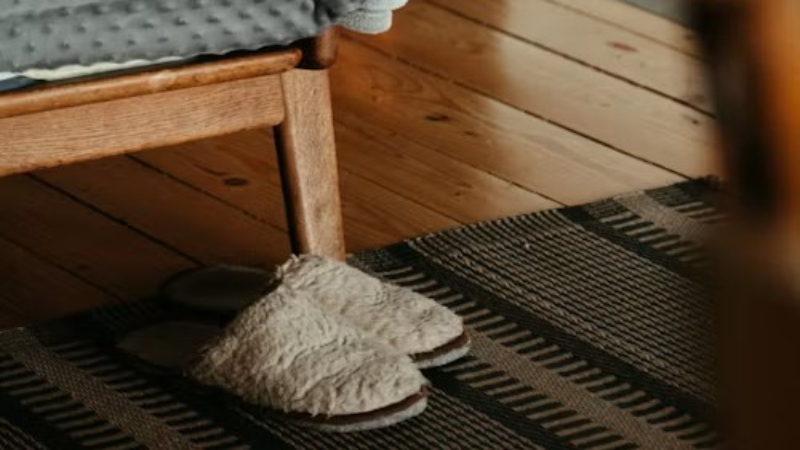
(9) Nantong Shulipo Shoes Co., Ltd.
Factory Area: 12,000 m²
Started: 2008
Main Products: fabric slippers, EVA slippers, home cotton shoes
This Chinese manufacturer primarily produces home slippers. They integrate design, production management, and sales operations. It has more than 400 employees and an average monthly output of 400,000 pairs of shoes. Check the exact packing method for each type, because fluffy pairs and EVA pairs use space differently in a container.
(10) Shenzhen Fanfeng Shoes Co., Ltd.
Factory Area: 19,200 m²
Started: 2009
Main Products: EVA slippers, plastic slippers, children's slippers
This factory manufactures molded plastic and EVA products (including children's footwear). It has a team of more than 300 people in R&D, design, procurement, production, warehousing and logistics, and sales. Annual production capacity exceeds 20 million pairs.
(11) Yangzhou Xingchen Travel Products Co., Ltd.
Factory Area: 13,791 m²
Started: 2017
Main Products: disposable slippers, disposable hotel supplies, disposable razors
This manufacturer primarily produces disposable toothbrushes, combs, shower caps, and razors, making them ideal for the hotel and travel supplies industry. Buyers should confirm material, thickness, hygiene packing, size, logo printing, and carton count. This profile suits hotels, serviced apartments, airlines, and hospitality distributors buying coordinated guest-room items.
(12) Jinjiang Beishang Shoes Co., Ltd.
Factory Area: 20,000 m²
Started: 2020
Main Products: women's clogs, children's clogs, men's beach shoes, and clogs
This manufacturer specializes in clogs and beach shoes for all age groups. With dozens of complete production lines, a professional team of over 500 people, and a daily production capacity of over 30,000 pieces. Buyers should also confirm whether colors and logo details can be repeated consistently across adult and children's lines.
Sellers Union can help buyers compare the right factory group, rather than treating every slipper supplier as suitable for every specification. Get in touch with our team for more information.
3. Key Considerations When Importing Slippers from China
3.1 Confirm MOQ, Price, Lead Time, and Other Details Early
Ask for MOQ, price, style, color, size, logo method, packing form, sample lead time, bulk lead time, and quotation validity. A low MOQ for one color may not apply to a mixed-size or customized order.
3.2 Choose a Suitable China Slippers Supplier
When selecting a supplier, it is necessary to comprehensively evaluate product suitability, production capacity, product quality, MOQs, pricing, customization services, and export experience, while also assessing their service capabilities through communication. Textile slippers need sewing and fabric control; molded footwear needs density, mold, color, and flex control.
3.3 Check Samples and Inspect Bulk Goods
The approved sample should carry a code, size chart, material notes, and packaging reference. Pre-shipment inspection should compare bulk pairs against those points, not only against the supplier's general catalogue.
3.4 Understand Destination-Market Compliance Requirements
Requirements vary by destination and product type. Confirm labeling, chemical restrictions, packaging rules, and any footwear-specific testing with the importer or local compliance adviser when importing slippers from China.
3.5 Pay Attention to Intellectual Property
Avoid copying protected logos, characters, patterns, and branded shapes without authorization. Ask suppliers to confirm that customer-supplied artwork is used only under the buyer's permission.
4. How to Inspect China Slipper Quality
4.1 Check the Sole
Measure length, width, thickness, flex response, tread consistency, and visible defects. Test the outsole on the intended floor type when slip performance matters.
4.2 Check the Upper
Look for even stitching, clean edges, correct material, strap symmetry, secure decoration, and a comfortable opening. Fabric uppers need extra checks for loose fibers and color transfer.
4.3 Check Bonding Strength
Inspect the sole-to-upper join and any strap or toe-post attachment. A simple repeated flex and peel check can reveal weak adhesive or uneven bonding before shipment.
4.4 Check Size
Measure against the approved size chart, including footbed length, width, opening, and pair matching. Size marks should be legible and consistent across cartons.
4.5 Check Comfort
Wear-test representative sizes. Check pressure points, rough edges, footbed shape, weight, and heat or moisture feel for the intended use.
4.6 Check Odor and Materials
Review the declared material and inspect for strong odor, contamination, unexpected fillers, or color variation. Keep a retained sample for comparison.
4.7 Check Appearance
Check color, surface, logo, symmetry, trimming, stains, scratches, loose threads, and pair matching under consistent light.
4.8 Check Packaging
Confirm individual packing, size labels, pair count, carton marks, inner protection, and carton strength. Packaging is part of the delivered specification.
| Slipper type | Main products | Key inspection items | Acceptance focus |
|
Textile home slippers |
Cotton, linen, plush and fabric slippers |
Fabric, filling, thermal insulation, stitching quality, sole bonding, loose fibers, compression resilience, odor |
No shedding (lint/cotton), no loose threads or bond failure, accurate sizing and packaging |
|
EVA and molded slippers |
One-piece slippers, bathroom slippers, beach slippers |
Density, flexibility, sole thickness, resilience, slip resistance, and bonding quality |
No severe odor, deformation, cracks or unsafe edges |
|
Plastic sandals and slippers |
PVC/plastic slides and basic sandals |
Material, strap attachment, surface, odor and flex |
No unpleasant odor, secure strap attachment, accurate and consistent size labeling |
|
Children's slippers |
Children's sandals, slippers and clogs |
Security of small parts, slip resistance, material safety, sizing, edge finishing |
Age-appropriate construction and complete labeling |
|
Beach shoes and clogs |
Beach slippers, clogs and casual open footwear |
Water exposure, ventilation, footbed, pivot strap and outsole |
Comfortable fit, stable sole and repeatable color |
|
Disposable hotel slippers |
Hotel slippers and guest-room footwear, spa slippers |
Material thickness, hygienic packaging, stitching/bonding, pair quantity, and outer carton |
Packaging clean and sealed; no bond failure; accurate quantity |
|
Leather/Faux Leather Slippers |
Leather slippers, casual slippers |
Materials, surface finish, stitching, edge finishing, bonding |
No peeling, blistering, cracking, color variation, or bond failure |
5. Confirm Packaging and Shipping Method
5.1 Choose Packaging by Sales Channel
Retail shelves may need individual boxes, hangtags, barcode labels, and size separation. Hotel and wholesale programs may prefer polybags or bundled pairs to reduce cost. Confirm the channel before quoting.
5.2 Optimize Master Carton Dimensions
Set carton dimensions around actual pair volume and compression limits. Oversized cartons raise CBM; over-tight cartons can deform uppers and soles.
5.3 Prevent Deformation and Moisture Damage
Use dry packing materials, inner separation where needed, desiccants for suitable products, and stacking limits that protect fluffy or shaped uppers.
5.4 Confirm Container-Loading Plan Early
Calculate cartons by size mix, stacking direction, pallet policy, and destination handling. Recheck the plan when packaging or carton quantity changes.
5.5 Confirm Shipping Documents Before Dispatch
Review the commercial invoice, packing list, carton marks, origin details, labels, and any requested test or compliance documents before loading.
6. Yiwuagt: Helping Buyers Outperform Competitors
A mixed slipper program often loses margin through poor supplier matching, unclear packaging, and late quality decisions. Sellers Union can support product comparison, supplier coordination, inspection, consolidation, and logistics planning so the buyer competes on dependable delivery as well as price. Let's discuss how we can meet your specifications.
7. FAQ About Importing Slippers from China
Q1: Can China slippers be made OEM/ODM?
A1: Many suppliers can discuss logo, color, packaging, material, or shape changes, but the available scope depends on the product, mold, order size, and supplier process. Confirm it with a sample and written specification.
Q2: How long does it take to import slippers from China?
A2: The total time depends on sample approval, production, inspection, consolidation, shipping method, customs, and destination handling. Ask for a stage-by-stage schedule rather than one broad estimate.
Q3: How can bulk quality be protected?
A3: Approve a coded sample, lock materials and size tolerances, use pre-production confirmation, inspect during or after production, and keep a retained sample for dispute comparison.
Post time: Oct-01-2026