Planning your first sourcing trip to Yiwu involves more than simply finding products. With tens of thousands of suppliers, you need to know where to go, which suppliers to consider, how to compare prices, manage samples, and follow up on orders. Clear goals for each day can save you a lot of time. Otherwise, it’s easy to leave Yiwu with a phone full of photos and quotes that you can’t match to the right products or suppliers.
This guide walks international buyers through the key steps of a Yiwu sourcing trip, including pre-trip preparation, market route planning, supplier screening, sample and quote management, quality inspections, warehousing, and shipping, etc.
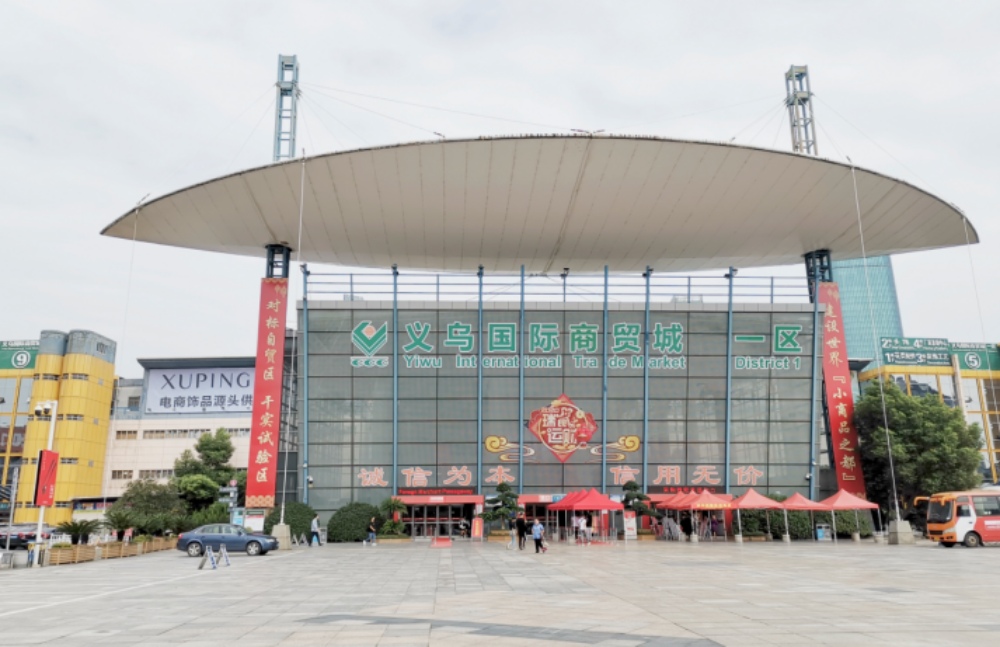
1. Visa And Entry Preparation
Check China visa and entry requirements before traveling to Yiwu for sourcing. Requirements vary by nationality, travel purpose, passport status and current policy. A buyer should check the latest information from the relevant Chinese embassy or consulate and the carrier before paying for a non-refundable itinerary.
1.1 China Visa Requirements
Do not assume that a short sourcing trip automatically uses the same entry route as tourism. Check whether the visit needs a visa, a permitted visa-free arrangement, an invitation or other evidence under the rules in force for the traveler's nationality. Confirm the allowed stay, number of entries and whether the planned factory meetings fit the stated travel purpose. A passport's remaining validity and blank-page requirements should also be checked at the application stage rather than guessed from an old trip plan.
1.2 Entry Application Materials
Prepare a consistent file: passport information, application form, photograph, itinerary, accommodation details and evidence linked to the stated purpose, where required. For business visits, keep the Chinese contact's company name, address and invitation details consistent across documents. Carry digital and printed copies, but protect personal data when sharing files with brokers, hotels or suppliers. A last-minute change from market shopping to factory appointments can create a document mismatch, so the itinerary should be realistic from the beginning.
1.3 Customs And Entry Notes
Before departure, check the current customs declarations for cash, commercial samples, medicines, food, batteries and other restricted or controlled items. Samples purchased for business evaluation should be listed clearly in the travel record, with invoices or receipts kept where available. Do not put batteries, liquids or unfamiliar goods into checked luggage without checking carrier and customs rules. The safest approach is to separate personal belongings, commercial samples and items that may require formal shipment after the market visit.
A first visit becomes more productive when discovery, comparison, quality checks and shipping follow one record. Sellers Union supports buyers across supplier matching, negotiation, sample follow-up, inspection, consolidation and export coordination. We are at your service.
2. Define The Yiwu Sourcing Plan And Itinerary In Advance
When visiting Yiwu, you should first set your sourcing goals. Then shortlist suppliers, prepare a visit list, and plan your Yiwu sourcing route in advance. Good preparation helps you source more efficiently on site.
2.1 Set Sourcing Goals
Before visiting Yiwu, define the products, target price, materials, quality standards, packaging requirements, and estimated order volume you need. Also decide whether you require customization services. Clear sourcing goals help you find suitable suppliers faster and avoid unnecessary purchases in the Yiwu market.
2.2 Screen Suppliers Or Sourcing Agents Online First
Once your sourcing goals are clear, search for suppliers or sourcing agents through B2B platforms, Google, or AI tools. Compare their products, company information, pricing, quality, MOQ, export experience, and services, then create a shortlist before your Yiwu visit. Contact shortlisted candidates and arrange appointments in advance to save time on site.
2.3 Plan Your Yiwu Sourcing Itinerary
Plan your Yiwu market routes, supplier visits, and factory inspections based on your product categories, supplier locations, and appointments. Group suppliers in the same area into one day and allow time for product comparison, sample checks, and price negotiation. Generally, 3 days is enough for one product category, while sourcing multiple categories require 4–6 days. In addition, recommended to arrange a hotel near the Yiwu market.
After the brief is clear, an experienced Yiwu sourcing agent can pre-screen contacts, arrange appointments and keep quotations tied to the right sample. This is especially useful for a first visit, when the buyer has product goals but not yet a reliable local route.
3. Transportation Guide
Your itinerary should cover how to get to Yiwu and local transportation between markets and factories. For tight schedules, taxis or ride-hailing services are convenient. For groups or buyers carrying many samples, consider arranging a business vehicle in advance. Use navigation apps and allow extra travel time during peak hours.
3.1 How To Get To Yiwu

Check whether direct flights to Yiwu are available from your country. If not, fly to Shanghai or Hangzhou and take a high-speed train to Yiwu. Before booking, check the latest schedules, baggage allowances, and transfer times. If you are carrying samples, consider the convenience of your final transfer and choose a hotel close to the markets or your main work location, even if it costs slightly more.
3.2 Local Transport In Yiwu
Use a map pin for every market building, showroom, warehouse and hotel rather than relying on a supplier's short location description. Taxis, ride-hailing, buses and walking may all be useful, but traffic and loading restrictions can change the real travel time. Schedule heavy sample collection toward the end of a route, and keep a folding trolley or courier option available. Never leave valuable samples or a passport unattended in a vehicle.
Share the target categories, price position, expected volume and launch timing with the sourcing team. A clear brief can lead to a market route, a supplier shortlist and a follow-up plan that keeps the value of the trip after the flight home. Get in touch with us anytime.
4. Yiwu Market Map And Route Suggestions
The Yiwu market is large, with variety products spread across different districts and floors. If you don't know the market map, may waste valuable time traveling between areas. Before your visit, verify the latest market layout, product locations, floors, and opening hours. The table below provides a route-planning framework by major product categories.
4.1 Yiwu Market Map: Area And Main Products
| Yiwu Futian Market Zone | Main Products |
| District 1 | Toys, home decor, crafts, holiday supplies, wedding supplies, artificial flowers |
| District 2 | Luggage & bags, umbrellas, hardware, kitchenware, small appliances, etc. |
| District 3 | Stationery, office supplies, sports products, eyewear, cosmetics, garment accessories |
| District 4 | Socks, daily necessities, gloves, hats, footwear, towels, scarves |
| District 5 | Imported goods, bedding, pet supplies, hotel supplies, automotive accessories |
| District 6 | Fashion accessories, trendy toys, apparel fabrics, baby products, household goods, smart products |
For the Yiwu Futian market map, save the latest official market information, note the building and floor for every lead, and confirm the route with the supplier before traveling. Record the supplier's legal name, product range and sample code beside the location.
4.2 How to Plan a Yiwu Market Sourcing Route
Group suppliers by product category or market area to minimize travel time. Record each supplier’s market, floor, and booth number. Prioritize product categories that may affect other purchasing decisions. For example, check bulky or large-packaging products first, as carton sizes may affect your choice of mixed gift sets and other products. A practical three-day schedule is: Day 1, find products and suppliers; Day 2, screen and compare suppliers or factories; Day 3, revisit shortlisted suppliers and confirm details.
A structured Yiwu market visit can combine market discovery with supplier notes, sample collection and a later factory comparison. Our broader sourcing resources are useful when the selected range crosses several categories and cannot be handled by one booth.
5. Yiwu Market Sourcing Tips
The market rewards buyers who compare like with like. A cheaper quotation may use a different material, a smaller size, thinner packaging or a lower finishing standard. Every comparison should refer to a physical sample or a written specification.
5.1 Compare Multiple Suppliers
For each core SKU, collect at least a small set of comparable offers. Keep color, size, material, accessories, unit pack and carton assumptions the same. Ask each supplier to quote the same quantity and delivery condition. This shows whether a price difference comes from scale, material, packaging or simply a missing cost line. Do not compare a factory quotation with a trader's retail-ready offer without separating the service included in each.
5.2 How To Judge Supplier Reliability
Reliability is visible in small actions: the contact identifies the right sample, answers material questions, explains what is made in-house, admits what is outsourced and sends a consistent quotation. Ask for a company name, address, product scope and payment beneficiary that match. For a serious order, verify the legal entity and facility through appropriate business checks, request samples and arrange an inspection before shipment. A polished booth is not a substitute for evidence.
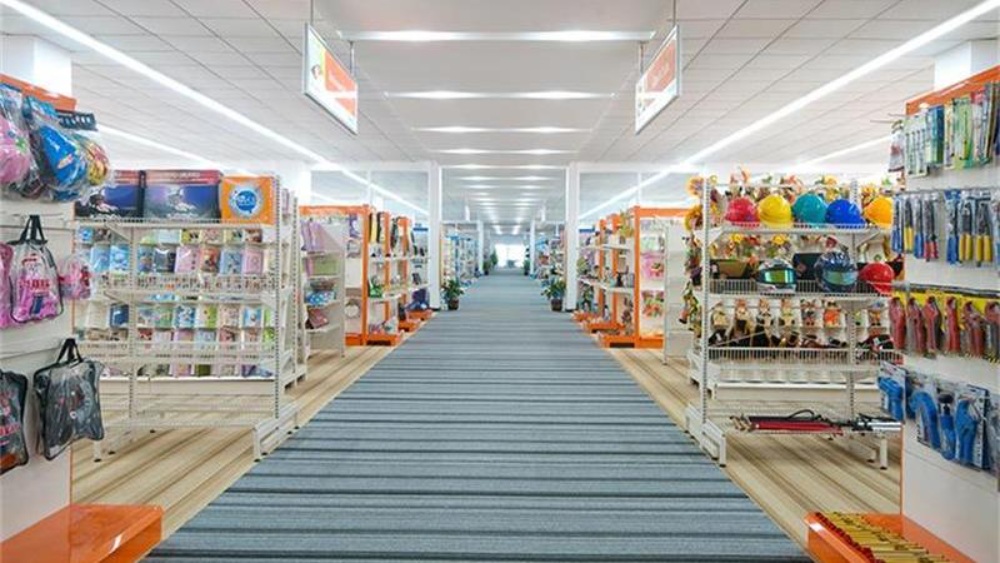
5.3 Do Not Ask Only About Price
Ask about MOQ, lead time, packaging, replacement parts, defect handling, logo costs, carton dimensions and the cost of a sample. Check whether the quotation includes tax, domestic delivery, export packing or only the unit price. These details shape the landed cost. A supplier with a slightly higher unit price may be commercially stronger if the order has fewer hidden charges and better repeat-order control.
5.4 Record Supplier And Product Information
Create a separate record for each supplier, including the date, booth number, contact person, materials, dimensions, colors, unit price, MOQ, sample status, packaging, carton specifications, and customization requirements. Save product photos with the corresponding quotations to avoid confusion later. At the end of each day, classify suppliers as Sample, Follow-up Required, Discard, or Factory Visit Required for easier follow-up.
5.5 Verify Samples For Key Products
Samples should answer a buying question. Check working function, dimensions, color, smell, finish, stitching, seams, assembly and retail pack. For fragile items, open the inner box and inspect contact points. For electrical or battery products, ask for the applicable documents before treating the sample as sale-ready. Mark the approved sample and record any permitted tolerance; a verbal promise is too weak for bulk production.
5.6 Bring The Right On-Hand Tools
A first-time buyer will use a tape measure, small scale, phone charger, power bank, labels, marker, notebook, sample bags and a trolley more than a polished presentation folder. Add a color reference, calculator and translation support if needed. Keep a separate bag for approved samples and another for rejected or reference items. This simple separation prevents the wrong piece from becoming the production standard.
When several categories have produced conflicting quotes, a professional China sourcing agent is one efficient option. The agent can keep the same specification in front of different contacts, arrange rechecks and prevent a buyer from making a decision on a single attractive sample.
6. Quality Inspection, Warehousing, And Logistics
The work does not finish when the order is placed. Quality, storage and logistics decisions should be made while samples are still available, because a packing problem becomes much harder to fix after goods reach a warehouse or port.
6.1 Quality Checks
Agree on the inspection scope before production: appearance, dimensions, function, material, count, packaging, carton marks and any market-specific documents. Use the approved sample as the reference and define tolerances for size, color and minor finish variation. For a mixed order, inspect the high-risk SKUs first rather than spending the entire inspection on the easiest cartons. Keep photos of defects, quantities and corrective action with the purchase order.
6.2 Warehousing And Logistics
Confirm whether goods are collected from each supplier, delivered to a consolidation warehouse or shipped separately. Ask for carton dimensions, gross weight, number of cartons, stackability and any fragile or orientation requirements. A warehouse needs clear SKU labels so cartons from several suppliers do not merge into one untraceable batch. Shipping costs depend on volume, weight, route, service and timing, so request a current quotation rather than relying on an old estimate.
7. Do You Need A Yiwu Sourcing Agent?
Not every buyer needs an agent. The right choice depends on language, product complexity, order size, travel frequency and the cost of mistakes. An agent should add control and clarity, not simply pass along a catalog.
7.1 Which Buyers are Suitable for Using a Sourcing Agent?
An agent can be very useful for a first-time visitor to China, for a buyer ordering a large number of small articles, for a company with limited time in China, for a retailer who needs private labeling, or for an importer who mixes articles from the market with articles from factories and needs inspection, warehouse consolidation, and export documentation under one roof. A regular importer working with established suppliers may only occasionally need support for new product categories or for peak seasonal demand.
7.2 What A Yiwu Sourcing Agent Can Do
A capable partner can translate a product brief into a shortlist, arrange market and factory meetings, compare quotations, collect samples, negotiate practical terms, track revisions, arrange inspections, consolidate cartons and coordinate shipping. Buyers should ask how each stage is documented, who approves changes and how problems are escalated. The value is easiest to judge when the agent's work produces a cleaner comparison and fewer preventable errors.
For a complex trip, choosing a Yiwu sourcing partner is a practical way to connect market leads with factory verification, sampling and shipment follow-up. The decision should be based on the service scope and accountability, not on a promise of the lowest quote. For more information, please contact us.
8. Other Yiwu Sourcing Notes
A few operational details can affect the trip more than expected. They are worth checking before the itinerary is fixed and again before the order is released.
8.1 Market Opening Hours
Standard operating hours are typically between 9:00 AM and 5:00 PM, though there is a closure period for the Spring Festival. It is recommended that you check the latest business hours and arrive early before visiting, especially if you need to see multiple suppliers.
8.2 Solving Language Issues
Language barriers can complicate communication and the handling of order details. Prepare a bilingual product specification sheet that includes photos, dimensions, materials, quantities, and packaging requirements. Use short sentences during discussions and confirm technical terms in writing afterward. If necessary, utilize translation software or engage a purchasing agent. Always carefully verify critical information before placing a formal order.
8.3 Payment Methods
Payment methods, account names, deposits, platform rules and transaction limits can vary by supplier and by the buyer's banking access. Confirm the beneficiary, invoice, refund terms and payment schedule before transferring funds. Never pay a large deposit to an account that does not match the contracted seller without a documented explanation and independent verification. Keep receipts and the agreed quotation together.
8.4 Product Certification
Certification depends on the product, destination market and claim being made. Ask what standard or regulation applies, whether a report is current, which model it covers and whether the document belongs to the actual supplier. Electrical, children’s, food-contact, cosmetic, battery and chemical products need extra care. A logo on a listing is not proof of compliance for the exact SKU.
8.5 Sample And Personal-Item Safety
Keep passports, payment cards, phones and samples secure while moving through busy market areas. Do not accept unknown liquids, medicines, food or battery items as casual gifts for luggage. Label samples immediately and separate personal purchases from commercial goods. If an item may be restricted, ship it through a formal channel after checking the rules rather than improvising at the airport.
Post time: Sep-04-2026