China is a major global sourcing hub for glassware, offering a wide selection from glasses cups and tableware to vases and decorative ornaments. However, sourcing glassware from China involves more than just comparing product prices. Regional manufacturing strengths, supplier production capabilities, quality inspection standards, and packaging and shipping solutions all affect the final procurement cost and delivery outcome.
This guide explores eight major glassware production bases in China, 14 leading Chinese glassware manufacturers, and the key considerations for importing glassware, inspecting product quality, and managing packaging and shipping. Helping global importers, wholesalers, and retailers source glassware more efficiently, reduce risk, and control costs.
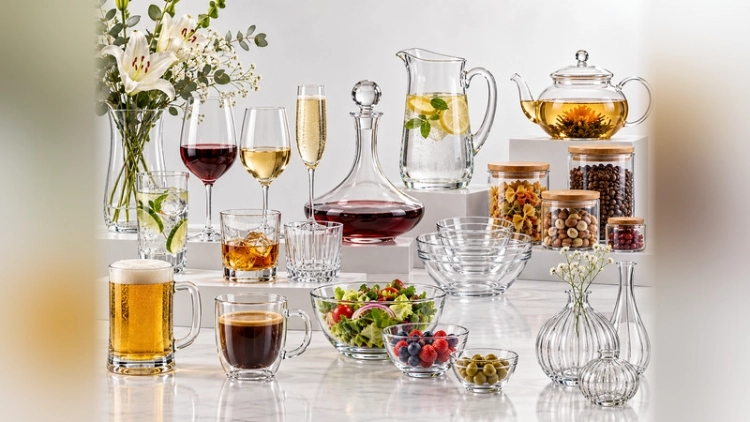
1. Eight China Glassware Production Bases: Choosing the Right Sourcing Location
| Production base | Main products | Core advantages | Suitable buyers |
| Fengyang, Anhui | Everyday tableware, cups, food containers, household glass, food storage containers, lunch boxes, bowls, and glasses | Massive daily-use glassware ecosystem featuring a broad product selection | Retailers, kitchenware distributors, and private-label buyers |
| Huainan, Anhui | Heat-resistant cups, tableware, and household glassware | Highly effective for heat-focused and everyday product lines | Kitchenware brands, home retailers, and food-service buyers |
| Qixian, Shanxi | Daily-use crystal glassware, drinking glasses, and barware | Distinctive crystal-style aesthetics backed by a specialized manufacturing tradition | Gift retailers, barware importers, and decorative tableware buyers |
| Hejian, Hebei | Borosilicate heat-resistant glassware, teapots, and storage products | Dedicated focus on heat-resistant items with practical household applications | Tea, kitchen, storage, and hospitality buyers |
| Zibo, Shandong | Glass vases, art glass, candle vessels, and decorative products | Strong orientation toward decorative pieces and artistic glass | Home decor, gift, and floral retailers |
| Wenxi, Shanxi | Art glass vases, crystal glass, decorative ornaments, fruit plates, and fruit baskets | Craft-oriented physical shapes and elegant decorative presentation | Florists, gift companies, and home decor importers |
| Xuzhou, Jiangsu | Food bottles, jars, storage containers, oil and condiment bottles, food storage containers, lunch boxes, bowls, and plates | Exceptional supply depth for food and kitchen storage containers | Food brands, kitchenware buyers, and packaging distributors |
| Hechuan, Chongqing | Daily-use cups, wine glasses, pitchers, and tableware | Comprehensive daily-use range featuring a higher-quality market positioning | Hospitality buyers, retailers, and importers seeking stable quality |
1.1 Anhui Fengyang: Scale Daily-Use Glassware
Fengyang is a major hub for the daily-use glassware in China. It hosts over 20 factories and more than 50 supporting processing enterprises. Mainly produces glass cups, glass bowls, tableware, storage jars, etc. It has a good foundation for large-scale production and has attracted large manufacturers such as Anhui Deli Glass. Equipped with large automated production lines, very competitive prices, good and stable quality, a wide range of decorating options.
Ideal for chain retailers, supermarkets, glassware wholesalers, kitchenware importers, private label owners, and hotel supplies and catering suppliers. When sourcing from Fengyang, be careful to distinguish between the broad glass industry and suppliers of everyday utensils. It is recommended to compare the thickness of glass, clarity, MOQs, printing options, protective packaging, etc.
1.2 Anhui Huainan: Heat-Resistant Cups, Tableware, and Glassware
Huainan boasts a diverse product portfolio, including glass cups, tableware, borosilicate glass drinkware, promotional cups, and glass jars and bottles, etc. The area has more than 20 glass-related enterprises, including glass manufacturers and their supporting companies. A prime example is Anhui Faqiang Glass Company, which operates multiple glass melting furnaces to support the production of a wide array of standard and specialty glass products.
Many factories have extensive export experience, have achieved mechanized production, possess advanced technology, and offer high-quality products at competitive prices. It is very suitable for the low-to-mid-end market, especially for importers of kitchenware, distributors of home glassware, chain retailers, purchasers of catering supplies, promotional gift merchants, and brand owners.
1.3 Shanxi Qixian: Daily-Use Crystal Glassware
Qixian is the glassware capital of China. Specializes in wine utensils, stemmed glasses, tea sets, coffee sets, candlesticks, glass vases, and glass crafts and decorative tableware. There are 67 62 glassware manufacturers, and more than 300 supporting enterprises. Expert craftsmanship—such as manual glassblowing, hand-painting, and gold-tracing—results in exquisite, uniquely designed glass products, ideal for developing differentiated offerings. It also has mechanized production lines, which can meet the needs of large-scale procurement.
Most local glass manufacturers possess extensive export experience, with products reaching markets across Europe, North America, and many other regions worldwide. For importers of tableware, wholesalers of barware, home decor brands, mid-to-high-end retailers, and gift buyers, Qixian is an ideal sourcing destination.
1.4 Hebei Hejian: High-Borosilicate Heat-Resistant Glassware
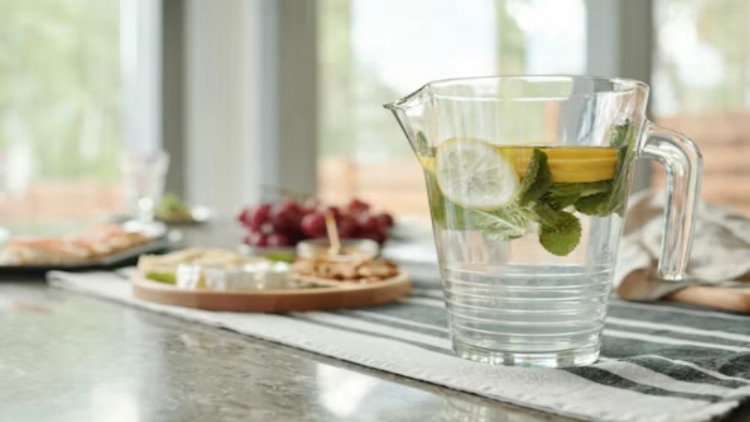
The city of Hejian is a main production base for high-borosilicate glassware such as double-wall glasses, glass teapots, coffee mugs, pitchers, tea infusers, and other heat-resistant containers. Hejian has 502 manufacturers in the industrial cluster, including glassware manufacturers, processing units, and supporting companies. Hejian’s advantages include its specialized production techniques, extensive customization options, light and fashionable designs, competitive prices, and wide application fields.
Buyers should pay special attention to the borosilicate content, thermal shock resistance, annealing process, handle connection, and double-wall sealing of the glassware. Hejian is a suitable sourcing destination for tea and coffee brands, kitchenware importers, specialty drinkware wholesalers, online retailers, and other buyers in the mid-range to high-end market looking for functional and durable glass products.
1.5 Shandong Zibo: Glass Vases and Art Glass
Zibo, particularly Boshan District, is famous for its traditional Liuli glass crafts, producing colorful glass decorative vases, sculptures, ornaments, candle holders, and artistic bowls. There are 14 specialized glassware manufacturers in Zibo and 21 production and trading companies. The city is rich in skilled artisans who can produce all sorts of colorful handmade glass products with intricate designs.
When sourcing Liuli glass products or glass vases from Zibo from Zibo, buyers should pay close attention to the craftsmanship, color consistency, surface treatment, product quality, and packing. For handmade glass products, buyers also need to clearly communicate their quality tolerance with the manufacturers. Zibo is a suitable sourcing destination for home decoration importers, artistic glass distributors, interior design suppliers, boutique retailers, giftware wholesalers, and other buyers in the high-end market looking for unique decorative glass products.
1.6 Shanxi Wenxi: Craft Glass Vases, Crystal Glass, and Art Ornaments
Wenxi is famous for its handcrafted glass vases, crystal-style glassware, colored decorative glass items, candle holders, sculptures, fruit plates, fruit baskets, and other glass art pieces. There are 43 glassware manufacturers and processing enterprises and over 160 glassware sales companies in Wenxi.
Wenxi glass manufacturers possess skilled hand-blowing techniques and decorative glass finishes and are able to produce a wide variety of creative and unique designs. The city’s glass manufacturing cluster is a unique integration of traditional hand craftsmanship and modern machine-made production methods.
1.7 Jiangsu Xuzhou: Food Bottles and Storage Containers
Xuzhou has developed into a production base for jam jars, sauce bottles, beverage bottles, food storage containers, lunch boxes, and other kitchen glassware. There were 13 glassware manufacturers of above-designated size in Mapo Town. This production location offers a number of advantages, including production of fully automated containers, a wide range of available molds, very competitive pricing for large quantities, and the ability to produce containers of almost any desired shape and size.
Before ordering glass containers, be sure to verify several details, including the bottle neck size, cap type, sealing performance, compliance with food contact regulations, mold costs, and the protective measures for the container and its packaging against breakage. This production area is ideal for food manufacturers, packaging material importers, glass jar wholesalers, private label food companies, and other businesses that need to purchase large quantities of various standardized or customized glass containers.
1.8 Chongqing Hechuan: Higher-Quality Daily-Use Glassware
Hechuan has developed into a production base for drinking glasses, beer glasses, wine glasses, pitchers, glass bowls, tableware, and other decorative glass products. There are currently 27 glassware manufacturers of above-designated size in Hechuan, including 7 with annual revenues in excess of RMB 100 million. They have large production capacities, extensive expertise in glassmaking, highly mechanized production, very competitive pricing, and extensive export experience.
For companies in the hospitality industry, additional factors that must be verified include the dish-washer safety of the products and the availability of replacement glasses. This production location is well-suited for wholesalers of household glassware, for supermarkets, for hotel/restaurant suppliers, for companies that offer private labels, and for importers looking for affordable to mid-range glass products.
A skilled Yiwu sourcing agent can help build a very focused supplier shortlist. Also, such pros can set up physical samples from many different map areas. Buyers might also think about visiting the Yiwu market if their next project needs several totally different product groups all at once. Contact us today to discuss your project requirements.
2. Best 14 China Glassware Manufacturers
(1) Abeidecor
Abeidecor is a China-based home decoration wholesale supplier established in 2015, located in Yiwu, Zhejiang Province. Its glassware collection focuses on decorative glass vases, colored crystal-style vases, transparent flower vases, embossed glass ornaments, and modern artistic glass decorations. The company operates a 2,000 m² showroom and provides access to over 100,000 home decoration products. Its main advantages include diverse glass vase designs, competitive wholesale pricing, regular product updates, and OEM/ODM customization services.
(2) Fengyang Minghuang Glass Products Co., Ltd.
Factory Area: 30,000 m²
Started: 2013
Main Products: Food containers and lunch boxes, bowls, glass cups
This glassware company runs five different factories and smoothly makes about 200,000 pieces every single day. The firm owns 20 modern plastic-molding machines along with 24 top-print units. Also, they use 60 special machines meant for high-borosilicate glass making. For items like lunchboxes, dining bowls, and drinking cups, this modern gear lets them build perfectly matched sets with custom-printed parts.
(3) Shanxi Weiheng Arts & Crafts Products Co., Ltd.
Factory Area: 24,500 m²
Started: 2014
Main Products: Wine glasses, glass cups, decanters
This China glassware manufacturer focus on wine glasses, normal cups, and nice decanters makes this certain factory a great match for drink service plans. Yet, it stays a less than perfect choice for kitchen food storage. All products have passed SGS, FDA, BV, and LFGB testing.

(4) Zibo Zhaohai Light Industrial Products Co., Ltd.
Factory Area: 39,960 m²
Started: 1999
Main Products: Decorative vases, glass crafts, candle vessels
This manufacturer actively produces fancy vases and complex glass crafts. Their book also shows candle holders, plated metal bases, and bright mosaic pieces. Buyers will easily find matching metal lids and iron details at this plant as well. This wide material mix helps home-decor buyers build matching, joined lines. Still, a good checking plan must strictly part the glass tests, the metal part tests, the color matching, and the joining fit checks. Buying managers should pass surface finishes and mixed-material retail boxes on a strict item-by-item basis. They must never pass mixed products just based on a broad group label.
(5) Shanxi Dahua Glass Industrial Co., Ltd.
Factory Area: 41,000 m²
Started: 1992
Main Products: Glass cups, wine glasses, decorative vases
This is a comprehensive China glassware manufacturer integrating the R&D, production, deep processing, auxiliary packaging, and equipment manufacturing of glassware, alongside domestic and international sales. The company specializes in eight major product series, encompassing barware, vases, lanterns, jars and bowls, containers and platters, candle holders, tableware, and tea sets. Although all these items are produced by the same Chinese glassware manufacturer, each product category requires entirely distinct quality control standards.
(6) Hebei Mingshangde Glass Technology Co., Ltd.
Factory Area: 22,457 m²
Started: 1980
Main Products: Glass cups, cold-water pitchers, teapots
This China glassware manufacturer is a modern group enterprise integrating the R&D, design, production, and sales of artistic glass products. Its core offerings include glass tea sets, coffee sets, giftware, home furnishings, decorative items, stainless steel and enamelware, as well as modern, "smart-lite" products. Quality inspectors should check the pouring spout flow and the fixed handle's long-term strength. They must test the loose lid fit, the inside liquid size, and the top rim smoothness. Lastly, buyers must make sure that any sticking out outside parts get plenty of safe free space inside the final retail box.
(7) Anhui Deli Daily Glass Co., Ltd.
Factory Area: 279,681 m²
Started: 1996
Main Products: Glass cups, wine glasses, cold-water pitchers
Household glassware is the core business of this manufacturer, though they also produce other types of specialty glass products. The group operates six wholly-owned subsidiaries and maintains distribution channels across 106 countries and regions worldwide.
(8) Xuzhou Zhenhua Glass Products Co., Ltd.
Factory Area: 20,000 m²
Started: 2015
Main Products: Food containers and lunch boxes, bowls, plates
This is a vertically integrated manufacturing and trading enterprise specializing in glassware. With a daily production capacity of up to 100,000 units, the facility is equipped with 20 injection molding machines, 24 decal-firing/printing units, and 60 production lines for high-borosilicate glassware. The company maintains long-term partnerships with numerous brands.
(9) Cangzhou Huisheng Glass Products Co., Ltd.
Factory Area: 34,500 m²
Started: 2019
Main Products: Sealed storage boxes, storage jars, glass cups
Currently, the production of borosilicate glass products accounts for a significant portion of the factory’s operations, with a range that includes airtight storage containers, food canisters, and drinking glasses. The facility produces over 20,000 double-walled glass cups daily and is supported by a skilled production team with expert glass-blowing techniques.
(10) Cangzhou Yinuo Glass Products Co., Ltd.
Factory Area: 34,500 m²
Started: 2016
Main Products: Glass cups, coffee pots, sealed storage boxes
The factory produces double-walled borosilicate glass cups, food storage canisters, and standard French press coffee makers, securing a solid position in the hot-beverageware market. With over 40 independent production lines, the company launches 2–10 new products every month.
(11) Wenxi Tongshengyuan Glass Products Co., Ltd.
Factory Area: 10,200 m²
Started: 2017
Main Products: Decorative vases, water-propagation bottles, fruit bowls and baskets
Their skill in fancy vases, plant water bottles, and nice fruit bowls makes this factory a top flower and home decor source. As a result, it is surely not the best pick for buying normal drinking glasses. Quality control teams need to look at the top hole sizes and the bottom base balance. They should review the glass color, the visual clearness, the physical weight, and the outside surface feel directly on the actual shapes they plan to buy. The inside packing design will mostly likely need big changes for each totally different item shape.

(12) Shandong Houde Glass Products Co., Ltd.
Factory Area: 30,000 m²
Started: 2011
Main Products: Sealed storage jars, storage containers, glass cups
This Chinese glassware manufacturer boasts a large production plant covering 30,000 square meters and nearly 300 employees, enabling it to reliably support a vast product portfolio. Their offerings include airtight storage jars, drinking glasses, exquisite tea sets, a variety of vases, and durable candle holders. Furthermore, the company frequently provides custom (OEM) services to major buyers across Europe, the Middle East, and Asia. This diverse product range enables buyers to curate collections with a cohesive, unified style. If the buyer plans to mix multiple different products in the same order, the final export packaging plan must be formally confirmed first.
(13) Chongqing Hechuan Jinxing Glass Products Co., Ltd.
Factory Area: 51,004 m²
Started: 1996
Main Products: Glass cups, wine glasses, cold-water pitchers
Having started working in 1996, this old firm currently uses modern mixing systems and very modern bottle-forming tools. Also, they smoothly run a complex one-piece drawn-stem making line. These modern machines give firm buyers very clear numbers to check when comparing different cups and drink pitchers. Buyers should ask managers which specific machine will physically handle their chosen model. After that, they must check the upward stacking, the drinking rim feel, the material clearness, and the handle joining strength. Buyers need to make sure the plant keeps a very solid backup plan for future repeat orders.
(14) Xuzhou Zhengda Glass Products Co., Ltd.
Factory Area: 12,000 m²
Started: 2016
Main Products: Oil bottles, condiment boxes, decorative vases
This special business actively handles product building, mass making, and global sales for commercial glass bottles. Their strong oil bottles, multi-part spice boxes, and fancy vases fit very well into modern kitchen and home-decor retail lines. Inspectors must strictly test the screw cap or the pouring part to stop any future leaks. They should check the open outside label space and test the tall vase balance. Commercial bottles and fancy centerpieces need totally separate inside packing rules, even if they finally ship together inside the exact same ocean box.
As a result, buying managers should carefully compare them based strictly on their specific product family. Sellers Union can smoothly help in matching a hard project to the best fitting supplier. Also, they have the skill to handle physical samples and enforce strict quality rules across a very mixed purchase order. Just contact us!
3. Key Considerations When Importing Glassware from China
3.1 Define Product Use and Purchasing Needs
Buying should begin with clarifying what kind of glassware you want to purchase. Buyers must firmly set the needed size, the physical numbers, the specific glass type, and the surface finish very early on. They should lock down the brand logo, the added extra parts, the total order size, the final place, and the specific retail box long before they ask for formal price quotes. A very detailed product paper gives the making factory much better working info than a simple picture.
3.2 Verify Supplier Credentials and Production Capability
Verify whether the supplier is actually operating, has the matching production capacity, and can consistently meet the quality, quantity, and delivery requirements of orders. Ensure that the company name on the quotation is exactly the same as the address on the other party's official business documents. Having a reliable in-house quality team and extensive export experience will be of great benefit.
Normal factory checks and steady sample tracking can quickly become very hard to handle from thousands of miles away. Because of this map fact, hiring a very pro China sourcing agent often proves to be a very smart move. Their true working value comes from keeping important records and checking duties perfectly neat. They actively make sure the formally passed quality rules stay the main reference point throughout making. Get in touch with our team for more information.
3.3 Compare Quotes, MOQ, and Product Specifications
Buying teams should only compare money price offers after the working product details match flawlessly. A slightly lighter cup, a slightly thinner wall, or a much cheaper lid can easily make a quote look falsely low. Buyers must smartly place the safe packing costs, the outside checking fees, and the local freight charges right next to the basic unit price. Also, they should review the factory's formal rule about broken items. The final buying choice must focus heavily on what a brand can actually deliver and sell safely to users.
3.4 Clarify Contract Terms and Acceptance Standards
Buyers should link their formal buying contract directly to the physically passed sample and the detailed working drawing. Buyers must clearly write down the formally allowed size changes and okay volume shifts. They should clearly list the bad flaws, the needed checking steps, and the strict box rules. The deal must state clearly what exactly happens if the final load arrives short or heavily broken. Having a shared, written quality rule matters a lot once mass making formally begins.
3.5 Confirm Destination Regulations and Food-Contact Requirements
Global food-contact laws change heavily depending on the arriving country and the specific item group. A plain clear jar, a heavily printed glass, and a storage jar with a painted lid might need totally different lab tests. Buyers must strictly check these legal laws before mass making starts. They need to make sure any given test report actually matches the exact physical model, the specific ink, and the raw materials used in their current active order.
3.6 Don’t Ignore Intellectual Property
If it involves original designs, brand collaborations, custom molds, printed patterns, or exclusive packaging, it is best to verify the ownership of intellectual property rights in advance. The buyer must obtain formal brand authorization and proof of ownership of the relevant designs in writing. When customizing molds and creating exclusive designs, be sure to clearly stipulate matters such as mold ownership, usage restrictions, and storage methods in the contract.
4. How to Inspect China Glassware Quality
4.1 Appearance Inspection
Inspectors must use steady, very bright lighting and check the total physical item, rather than just looking quickly at the front side. They should actively look for deep cracks, sharp rim chips, trapped inside bubbles, and ugly dark spots. Quality teams need to look for surface marks, dirty making stains, odd uneven shapes, and messy logo printing. The okay passing score depends totally on the specific item type. A pretty handmade vase might fairly allow some natural art differences. On the other hand, a top set of clear drinking cups must look flawlessly exact across the whole making batch.
4.2 Dimension and Weight Inspection
Must check the total height, the widest width, the inside volume, the top hole, and the bottom base width. Also need to weigh the glass item and check the lid, the fixed handle, and the upward stacking height. A very small volume change can totally ruin a strict serving size. Just a few extra millimeters placed at the bottom might totally stop the finished product from fitting into its planned retail box. Buying teams should always write down okay measurement ranges instead of trusting blindly in one single, stiff measurement.
4.3 Flatness and Stability Inspection
Please place each physical sample onto a flat, hard table and check for any easy moving motion. They should fill a tall vase with heavy water just like a normal retail buyer would. After that, they must stack the commercial drinkware exactly as a busy food place will naturally store it. These very fast physical tests often catch bad balance problems.
4.4 Wall Thickness, Rim, and Edge Inspection
Slide your finger very carefully around the top drinking rim. They must right away fail any easy chips or badly sharp spots. And compare the glass wall thickness evenly across the total body. Also should check the drinking lips, the pouring spouts, and the long edges based totally on how normal people will physically use the item. A pretty teapot that drips boiling hot water represents a totally failed product, even if it looks totally beautiful sitting on a retail shelf.
4.5 Logo and Printing Quality Inspection

For heavily printed or brightly painted glass, you must check the exact logo spot and the exact ink color. And compare the visual line-up and the ink stickiness directly against the formally signed sample. You can use the exact rubbing or chemical washing test they mutually agreed upon earlier. Buyers should always keep a physical, passed color swatch nearby. A simple digital photo proves far too easy to read wrong once the factory actually finishes the huge making run.
4.6 Strength and Heat-Resistance Testing
Buyers should pick a formal lab test that actually matches their public sales claims. Strict heat shock testing matters a lot for hot-use commercial glass. Still, buyers must state the exact heat drop numbers and the needed prep time. Normal commercial drinkware usually needs physical hitting checks instead. A very quick hot-water splash done inside the factory office simply cannot replace a truly formal lab test.
4.7 Food-Contact Safety Check
Inspectors must check the entire, fully built product for strict food safety rules. The outside paint, the applied inks, the plastic lids, the rubber seals, and the surface prints can totally change which specific safety rules apply. A passing lab report for a plain, clear cup totally does not cover a heavily printed version of that exact same cup. Also, it surely does not cover a packed set that uses a totally different lid material.
4.8 Odor, Contamination, and Accessory Check
Quality teams should open many closed boxes and actively look for factory dust, stray machine oil, bad chemical smells, or general making dirt. They must carefully count the included lids and the glass plugs. Inspectors need to test the rubber seals and closely compare the fixed handles against the formally passed golden sample. Missing tiny extra parts prove very easy to miss inside a huge shipping box. Sadly, they are also very costly to replace after the huge load finally arrives in the end country.
| Glassware category | Main products | Key inspection items | Acceptance focus |
| Drinking glassware | Tumblers, cups, mugs and water glasses | Rim, capacity, weight, clarity, stability and packing | Smooth rim, correct capacity, no critical defects |
| Wine and barware | Wine glasses, beer glasses and decanters | Stem symmetry, base, rim, stopper, clarity and carton protection | Stable stem, clean rim and secure accessories |
| Heat-resistant glassware | Borosilicate cups, teapots and pitchers | Thermal-use claim, wall consistency, handle, spout and lid | Test basis matches exact model and accessories |
| Storage containers | Jars, food boxes, canisters and sealed containers | Seal, lid fit, thread, capacity, stacking and food-contact documents | No leakage, correct fit and clean packing |
| Decorative vases and art glass | Vases, bowls, ornaments and candle vessels | Color, texture, base stability, opening, variation and surface | Stable shape and agreed handmade variation |
| Kitchen tableware | Bowls, plates, serving dishes and condiment sets | Flatness, stacking, edges, decoration and packing | No rocking, chips, sharp edges or print defects |
5. Glassware Packaging and Shipping
5.1 Choose Packaging by Product Type
| Product category | Recommended packaging | Packaging inspection focus |
| Drinking glasses and cups | Individual sleeves or boxes, dividers, strong master carton | Rim protection, separation, carton compression and count |
| Wine glasses and decanters | Molded inserts, corner protection, double-wall cartons where needed | Stem, base, stopper and empty-space control |
| Heat-resistant cups and teapots | Custom inserts, handle and spout protection, inner box | Accessory fit, thermal-product identification and drop resistance |
| Storage jars and containers | Lid separation, dividers, wrapped bodies and reinforced cartons | Seal protection, lid count, stacking and carton marks |
| Vases and art glass | Molded or shaped inserts, surface wrap and protective outer carton | Base, neck, surface finish, color and movement inside carton |
| Tableware sets | Layered separators, bundles, edge protection and set labels | Plate or bowl edges, set completeness and weight per carton |
5.2 Cushion Each Item Properly
A normal cup and a weak stemmed glass need totally different physical safety. Packers must keep all outside push away from the weak rim and the flat base. They should protect the thin glass stem very carefully. Also, they need to leave plenty of open room around a teapot handle and its long spout. Buying managers should always pass a fully packed physical sample safely held inside the final export box. The specific physical shape of the item usually tells a checker exactly where shipping damage will likely hit first.
5.3 Use Dividers to Prevent Glass-to-Glass Contact
Paper board dividers should safely keep the glass pieces apart without pushing too hard against a very thin rim. Inspectors should close the inside box and shake it a bit. If the weak pieces move around loudly, the packing team must change the inside space size. Or, the factory can use a custom shaped insert instead of merely filling every open hole with loose scrap paper. The safe packing needs to hold the weak product safely without squeezing it too hard.
5.4 Use High-Strength Corrugated Cartons
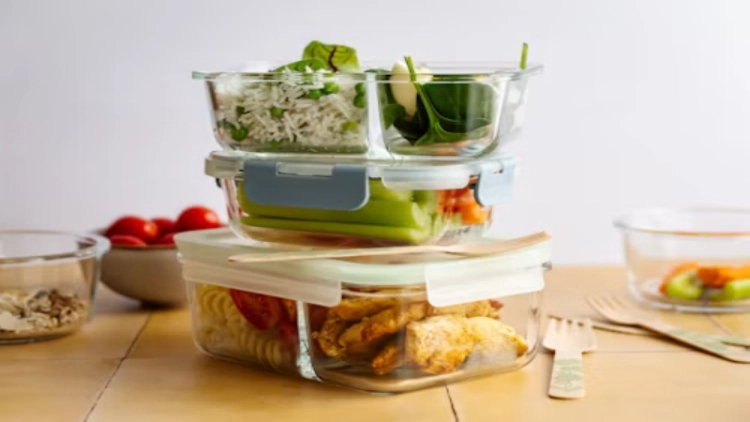
Quality checkers must check a fully loaded main box, not merely the empty paper board sample. The box must stay closed tightly and successfully handle heavy upward stacking weight. It should also safely stop the smaller inside boxes from moving around during shipping. Very clear shipping marks actively help stock workers load the commercial truck right. Yet, brightly colored ink printed on the outside simply cannot fix a weakly built box or a badly planned inside fit.
5.5 Control Empty Space and Carton Weight
Leaving too much open air inside the box lets the weak pieces move badly. On the other hand, a box that is packed far too tight quickly moves outside physical hits straight into the glass body. Buyers must set a specific box number that safely keeps the inside product safe. They should right away figure out their total shipping volume again if the factory suddenly changes the safe insert or the outside retail box. Even a very tiny packing change spread across a huge commercial order will change the final freight bill a lot.
5.6 Test Packaging Before Bulk Production
Before the making factory starts mass packing, quality teams should test a totally finished box using a known formal drop method. A fairly simple drop test might quickly show a weakly built corner. Also, a long stacking test can show if the bottom box will finally break under steady push. Inspectors must write down any breaking failures right away. They should fix the inside insert or heavily upgrade the outside paper board, and then repeat the physical test before they formally lock down the final packing rules.
5.7 Improve Loading Efficiency Without Sacrificing Safety
Shipping planners should never try to gain loading speed by squeezing weak boxes into clearly bad or unsafe spots. They must strictly check the top upward stack limits and the correct upward box pointing. Stock teams should check the wooden base rules and see if very heavy boxes will wrongly sit on top of the weak glass. Using a very basic loading plan actively stops bad breaking damage within the bottom shipping rows.
5.8 Confirm Insurance and Arrival-Damage Inspection
Buyers should check exactly what specific risks their commercial cargo insurance actually covers. They need to find out what exact photo proof the insurance workers need for a successful claim. When the imported goods finally arrive, taking staff should take clear pictures of the steel box and any broken main boxes long before they throw the bad paper board away. They must count the broken single units by specific SKU very carefully. The taking team should right away tell the shipping firm within their strictly set time window. Setting up a clear, written starting count makes the later money insurance claim much easier to win.
6. Sellers Union: Efficient Glassware Sourcing from China
For buying teams checking many China glassware manufacturers across several different areas, Sellers Union offers very great help. Their loyal staff actively helps with exact supplier matching, deep sample checks, and strict factory visits. They also smoothly handle weak-goods safe packing, complex load mixing, and strict shipping times. Buyers should share their planned products, their final map place, and their expected first-order numbers to successfully build a very smooth sourcing plan.
For wide product-range matching, buyers can also check the home decor sourcing channel whenever the purchase order includes fancy vases, nice candle holders, or matching room decor.
Post time: Oct-19-2026